



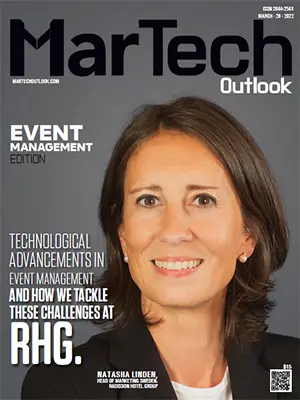

Virtual events have worked wonders for helping businesses keep in touch with their audiences throughout the pandemic, but it has not always been an easy ride. Problems faced by event organizers include difficulties engaging their attendees to make a lasting impact.
There have been many important developments in event management in recent years. Those who plan and run events like conferences, exhibitions, and parties have a difficult job that requires multitasking, focus and fantastic organizational skills. The advent of the internet has simplified basic tasks, like buying exhibition equipment, but technology has benefited the industry in less obvious ways than online shopping and easy access to equipment. The secret lies in creating more immersive experiences, such as by bringing presentations to life with interactive sessions. Some proven examples include live Q&As, polling, and surveys. Another popular strategy is to keep events smaller, while also allowing attendees to network with peers outside of presentations themselves.
Technology solutions are great for making planning easy, however, they shouldn’t come at an unbearable cost. That’s why companies should carefully consider budget before adopting technology to optimize their event planning process. The data is also a vital tool for marketers and advertisers. They can use the knowledge about attendees to identify gaps in the market, tailor marketing messaging and imagery and reach audiences that previously they had not thought to target. For marketers, there are lots of ways to find and use audience data. For example, most email marketing and social media platforms have built-in analytics. Records, like the details of who clicked on what link, can be associated with an individual customer’s records on the company’s database. This means every instance where someone on your database showed an interest in a specific topic or product online can be documented. Using this information you can discover who the best prospects are for selling tickets for any event you are planning.
Virtual Reality (VR) is the latest tool to be adopted by companies looking for something impressive, engaging and futuristic. VR offers a highly interactive experience that allows people to virtually attend events or view event spaces from the comfort of their own home. As this technology continues to progress, it presents the whole industry with more opportunities to make every event experience more personalized and exciting.
We present to you, “Top 10 Event Management Solutions Providers – 2022.”